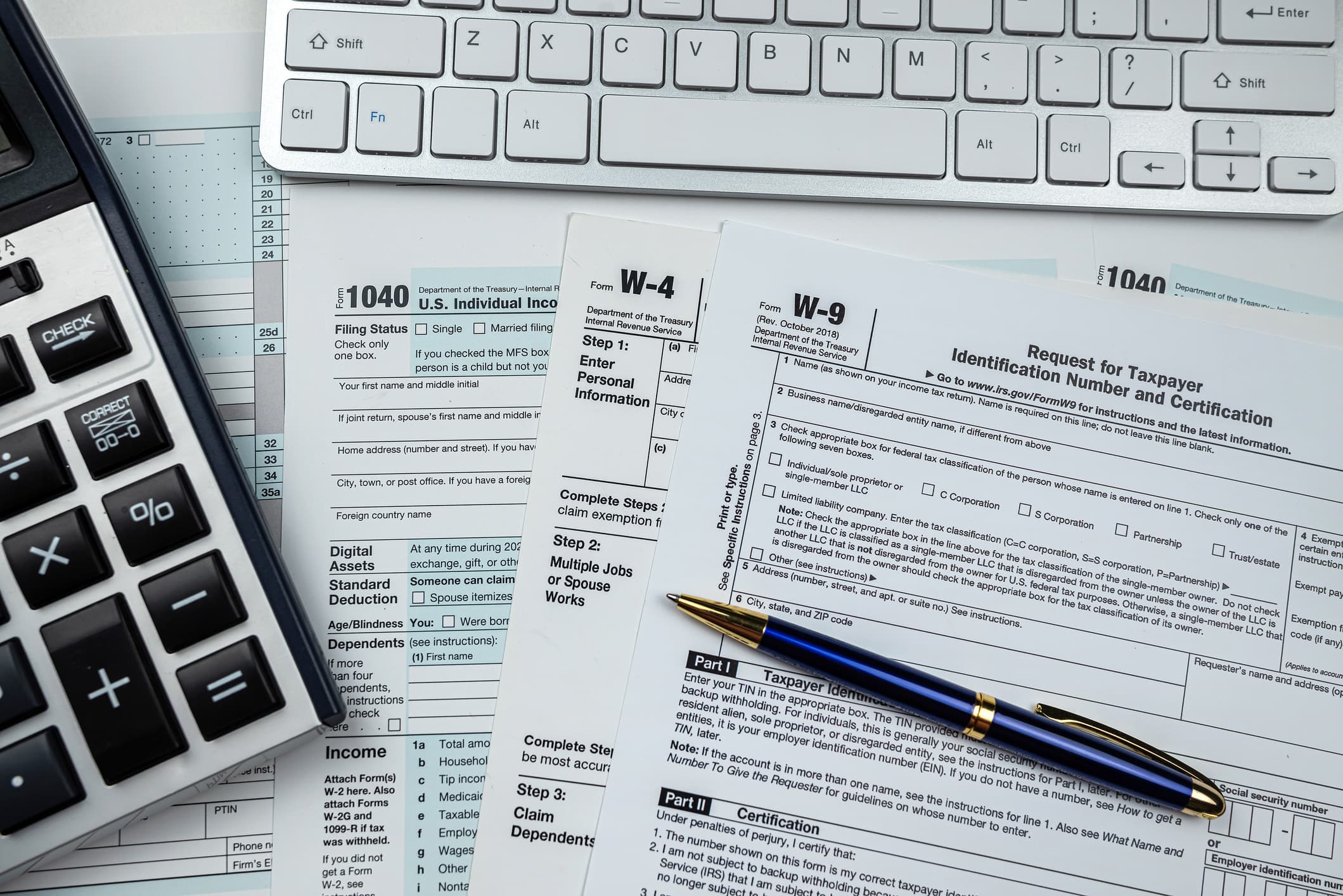
Tax season is here, and that could mean bigger refunds for many Americans after significant changes in the 2025 federal tax rules. But the season may also bring delays and confusion.
According to USA Today, households will need to navigate new deductions for tip income, overtime pay, car loan interest, and the senior tax break for those 65 and older — along with unexpected restrictions.
Many changes come from the One Big Beautiful Bill Act, signed into law by President Donald Trump on July 4, 2025, which includes new tax breaks retroactive to Jan. 1, 2025.
“The One, Big, Beautiful Bill will unleash the full potential of the U.S. economy. It locks in permanent, pro-growth tax cuts for families, workers, and job creators,” Treasury Secretary Scott Bessent said of the bill. “The bill also enacts No Tax on Tips, No Tax on Overtime, and new tax cuts for seniors. The OBBB will strengthen important programs for those who need them most and save taxpayer dollars by cutting waste, fraud, and abuse. This consequential legislation cements the blue-collar boom and improves the lives of Americans on every rung of the economic ladder.”
Filers must use the new Schedule 1-A to claim key credits.
2026 Tax Breaks Could End Paper Checks For Many
This tax season, the Internal Revenue Service (IRS) aims to stop sending paper checks, meaning most taxpayers will need a bank account and direct deposit information to receive their refunds.
For those without a bank account, the IRS says prepaid debit cards or digital wallets are options. Limited exceptions may still allow some taxpayers to receive a paper check if they can demonstrate eligibility.
During e-filing, the National Taxpayer Advocate Service notes that individuals will receive an alert if their 2025 return is missing banking information.
“These tax returns will still be accepted and processed without the direct deposit information, but taxpayers should understand that refunds will be delayed,” the blog states, per USA Today.
After filing, taxpayers who didn’t provide banking information — or whose direct deposit gets rejected — will receive an IRS letter within 30 days requesting the missing details. The letter will explain the available exceptions and include a dedicated phone line for requesting a paper check.
If the issue isn’t resolved within six weeks, the IRS will issue a paper check to prevent interest from accruing on the refund, per the National Taxpayer Advocate Service.
IRS Leadership Changes Could Affect Tax Filing
IRS staffing changes that happened in 2025 may also affect tax season.
Bessent currently serves as acting IRS commissioner, while Frank Bisignano, the Social Security Administration (SSA) commissioner, has been named the IRS’s CEO as of October 2025, a newly created position, according to USA Today. While continuing in his SSA role, Bisignano oversees daily operations and reports directly to Bessent.
“These are not like regular years,” said Mark Steber, chief tax officer for Jackson Hewitt Tax Services, USA Today reports.
While many Americans wait until the April 15 deadline, millions file as early as possible to get their refunds faster. By Jan. 31, 2025, the IRS had already received over 13.1 million returns and processed more than 3.2 million refunds, with an average payout of $1,928, USA Today notes. By the extended deadline of Oct. 17, the average refund payout hit $3,052, with the IRS issuing about 102.1 million income tax refunds.
Refund claims for the Earned Income Tax Credit (EITC), which benefits low- and moderate-income households, typically face required delays and are distributed after mid-February. Most other refunds, especially e-filed returns with direct deposit, are issued within 21 days, sometimes even sooner.
2026 Tax Changes Could Mean Bigger Refunds For Millions
Kevin Hassett, director of the White House National Economic Council, said on Fox Business on Dec. 18, 2025, that Americans could see “massive refund checks,” calling it the country’s “biggest refund cycle ever in U.S. history.”
Refund amounts will vary widely depending on individual circumstances. The Tax Foundation estimates that the new tax breaks could raise average refunds by $300 to $1,000, potentially totaling $100 billion in refunds this season. Under favorable conditions, average refunds could top $4,000, said Garrett Watson, director of policy analysis at the nonpartisan Tax Foundation.
“The biggest items driving this increase are targeted to certain types of income or certain taxpayers, like seniors,” Watson noted, per USA Today.
As of Dec. 31, 2025, the IRS had not announced the official start date for the 2026 filing season, but Jackson Hewitt’s Steber expects it to go live “any time now,” according to USA Today.
Not Ready To File Taxes By The April 15 Deadline?
For Americans who aren’t ready to file by the April deadline, requesting a tax extension — a normal, IRS-approved option — can help avoid penalties and reduce stress, AFROTECH™ previously reported.
To do this, taxpayers must file Form 4868, which gives six extra months to gather documents, pushing the filing deadline to Oct. 15. However, contrary to popular belief, a tax extension does not extend the time to pay taxes owed. Taxpayers should still pay their estimated tax liability by the original deadline.
Filing an extension isn’t ideal for everyone, especially those who don’t have the funds to pay upfront. In such cases, taxpayers can consider a short-term or long-term payment plan. To apply, they should use Form 9465, the IRS installment agreement request form, available on the IRS website, AFROTECH™ noted.